

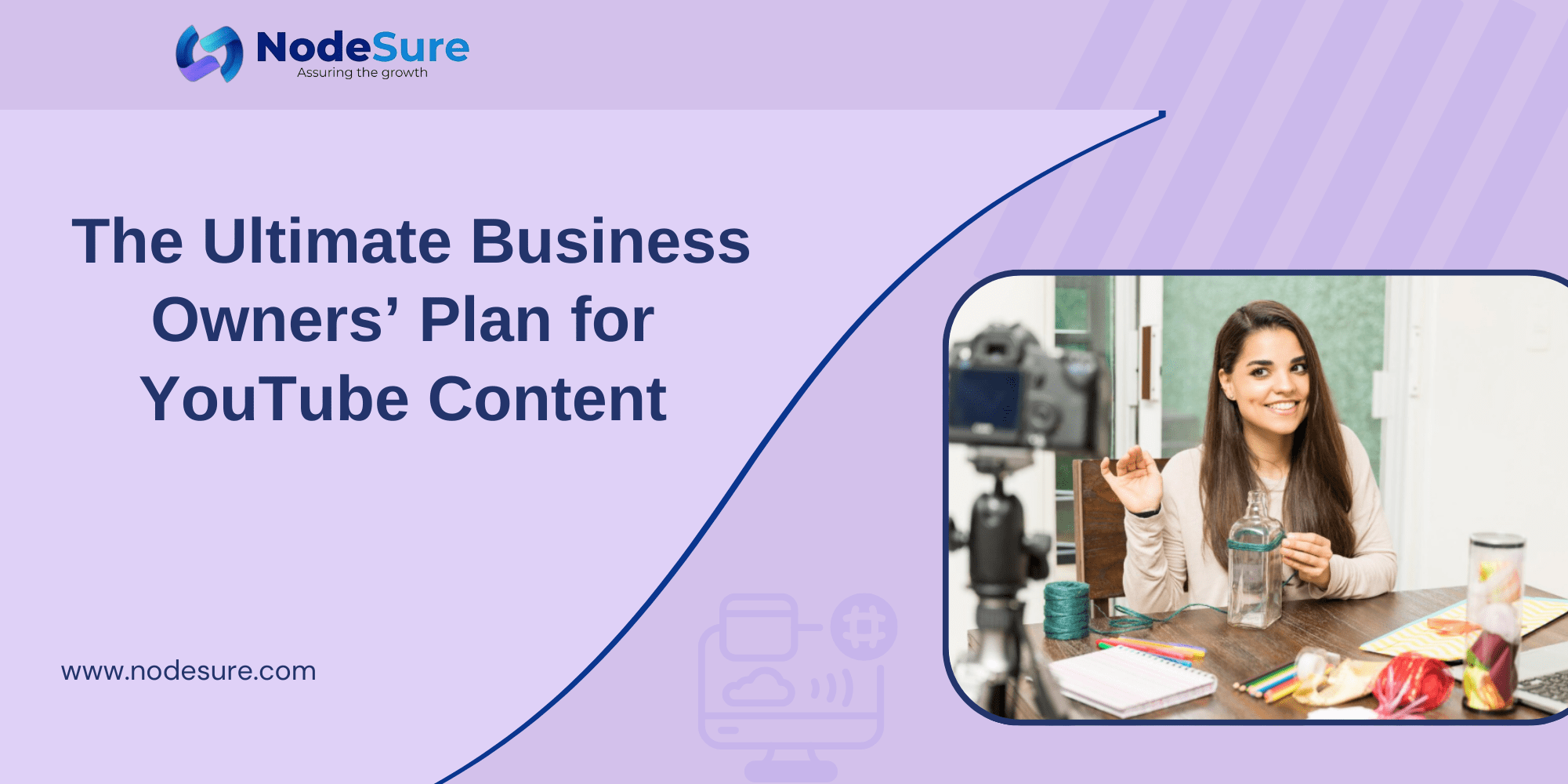
YouTube has evolved from a simple video-sharing website into one of the most powerful platforms for business growth, brand building, and lead generation. With more than 2.7 billion monthly active users and a skyrocketing demand for short videos, YouTube has become a major opportunity for business owners who want visibility and long-term digital authority.
But most entrepreneurs ask themselves one important question:
What kind of content do I need to create, and how do I format it for sustainability?
This is where having a structured, strategic, and business-focused YouTube content plan becomes invaluable. In this guide, you will learn the complete YouTube content plan for business owners, including content pillars, posting frequency, SEO strategies, script structure, analytics, and conversion methods—all designed to help you grow your brand in 2025 and beyond.
Why YouTube Matters for Business Owners in 2025
Before diving into the content plan, it is important to understand why YouTube is a crucial platform for modern businesses. First, YouTube is the world’s second-largest search engine. People come here searching for tutorials, product reviews, comparisons, educational content, and solutions to everyday problems. If your business is not producing helpful videos, your competitors are. Second, YouTube content has long-term value. Unlike Instagram or Facebook posts that disappear within hours, a single good YouTube video can continue generating leads for years. Third, video builds immense trust. When people see your face, hear your voice, and watch your processes, they feel a deeper connection with your brand. Fourth, YouTube offers massive organic reach. Even small channels can gain thousands of views through consistent uploads.
Finally, YouTube content ranks on YouTube search, Google search, the YouTube Shorts shelf, and suggested videos. This gives you multi-channel visibility without any extra effort.
Step 1: Determine Your YouTube Goals
Every successful channel starts with clarity. Before you publish anything, ask yourself:
Are you using YouTube for lead generation?
Do you want to build authority in the industry?
Are you selling a product, service, or course?
Do you want more brand visibility?
Do you want to redirect all your traffic to the website or WhatsApp?
Your goals shape your direction of content. Example:
The real estate agent may focus on property tours and investment guidance.
A restaurant might post behind-the-scenes videos and recipe shorts.
A SaaS company can create tutorials and feature walkthroughs.
A business coach may share mindset videos and client success stories.
Knowing your mission makes it easier to create strategic content.
Step 2: Develop your YouTube content pillars.
Content pillars help maintain consistency and keep your channel focused. Here are the best content pillars for business owners:
Educational content: Teach your audience topics related to your niche. This positions you as a trustworthy expert. Product or service content: Showcase demos, tutorials, onboarding guides, and feature walkthroughs to help customers understand your offerings. Behind-the-scenes content: Show how your team works, workplace culture, daily routines, or production processes. This builds authenticity. Case studies and testimonials: Proof-based videos help establish credibility and improve conversions.
YouTube Shorts: These help you reach new viewers quickly through short, impactful content such as quick tips, motivational clips, industry facts, and micro-reviews.
Step 3: The Optimal YouTube Posting Schedule by Week
Most businesses struggle with consistency because they are unsure of the right posting frequency. Here is a sustainable weekly upload plan:
One long-form video of 8–12 minutes
Three YouTube Shorts for reach and discovery
One community post, such as a poll or announcement
Weekly Live Session or Webinar-optional, but that will really build strong engagement.
This schedule is manageable for most businesses and helps you grow gradually yet consistently.
Step 4: Essential Video Types Every Business Should Create
To build a well-rounded channel, include these high-impact video formats:
How-to tutorials: These work really well in YouTube search.
Problem-solving videos: Help viewers solve pain points they actively search for.
Comparison and review videos: This attracts high-intent leads.
Storytelling videos: Share your founder journey or business story to build an emotional connection.
Industry tips and trends showcase you as the expert in this particular field.
Customer success stories: Real results increase conversions dramatically.
Step 5: Create a High-Converting YouTube Script
A good video starts with a good structure. Here is a script formula:
Engage a strong hook-up within the first 5 seconds.
Introduction: Introduce yourself and describe what the video will cover.
Deliver the main value clearly and simply.
Add a soft call-to-action in the middle.
Bring it to a strong CTA-for instance, visiting your website or WhatsApp link.
End with a brief and neat outro.
Scripts reduce editing time and improve viewer retention.
Step 6: YouTube SEO Strategy for Business Owners
Optimization of your videos is a must if you want them to rank. conduct keyword research using YouTube suggestions, VidIQ, TubeBuddy, Google Trends, and AnswerThePublic. Optimize your title with high-intent keywords. Write a detailed video description including keywords, timestamps, links, and hashtags.
Use attractive thumbnails, showing clarity of visuals along with strong text.
Add relevant tags and categorize your video properly.
Use CTAs in descriptions, pinned comments, end screens, and cards.
Step 7: Evaluate Your Performance
Analytics fuels growth. Keep an eye on these metrics:
Watch time
Audience retention rate
Click-through rate
Engagement via likes, comments, and sharing
Subscribers gained per video
Conversion funnel from video to website or WhatsApp
These metrics show you what type of content does well.
Step 8: Convert Viewers into Customers
YouTube is powerful, but you must direct viewers into your sales funnel. Use these methods:
WhatsApp call-to-action links in descriptions
Offer free downloadable resources.
Promote landing pages for tools, courses, webinars, and consultations.
Run retargeting ads for viewers who viewed a substantial part of your videos.
Create a community using YouTube posts or external groups.
The 30 Day YouTube Content Plan for Business Owners
Week 1: Publish a problem-solving video, two Shorts, and a community poll.
Week 2: Post a tool or resource-based video, three Shorts, and behind-the-scenes content.
Week 3: Customer case study share, two Shorts, and a value post.
Week 4: Submission of a tutorial step-by-step, three Shorts, and a Q&A post.
Final Thoughts
YouTube is not a platform for overnight success-it is designed for sustainable, long-term growth. With the right content pillars, SEO strategy, and consistent posting, you can build authority, generate daily leads, and convert viewers into paying customers. The businesses that dominate YouTube in 2025 will enjoy massive trust, visibility, and long-term brand value. If you want, I can also create a full 30-day content calendar, SEO-rich video titles, or complete YouTube scripts.